Museum am Rothenbaum Kulturen und Künste der Welt Rothenbaumchaussee 64 20148 Hamburg
+49 40 42 88 79 - 0
Opening Hours: Tuesday – Sunday: 10am - 6pm Thursday till 9pm
Start » Collections
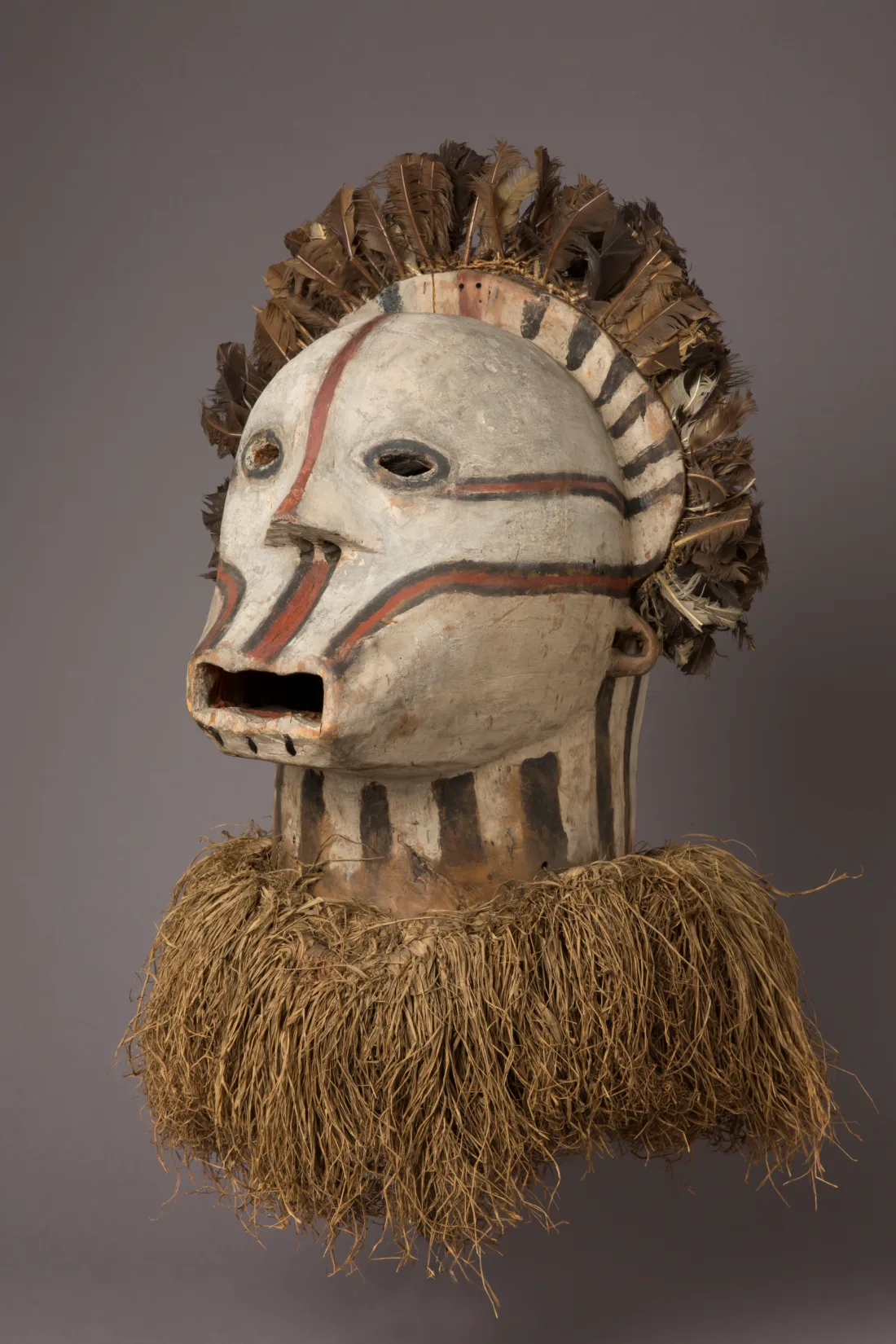
The collection of the Africa department, together with that of the Oceania department, is one of the largest in the museum. It comprises those objects that came into the museum from sub-Saharan Africa. The majority of the objects was produced and collected in the second half of the 19th century and the first half...
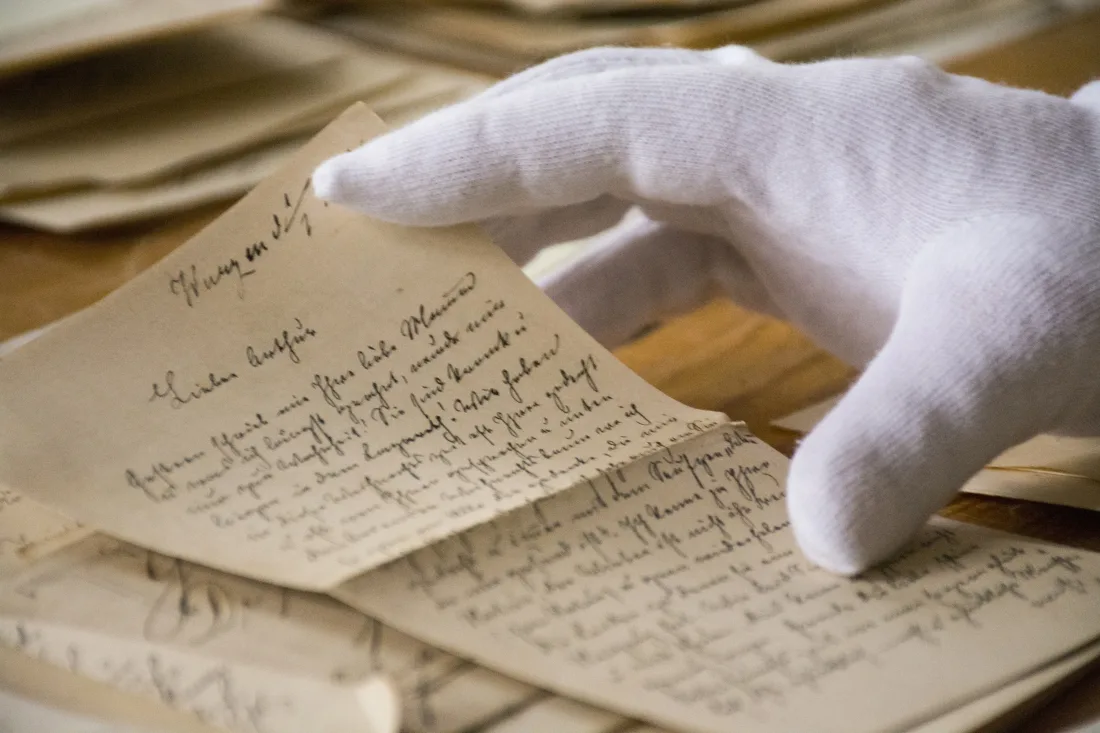
The Museum am Rothenbaum holds numerous bequests from ethnologists, geographers, linguists and explorers. These include personalities such as Franz Termer, Karl Sapper, Johan Adrian Jacobsen, Hans Heinrich Brüning and many others. The bequests comprise, among others, correspondence, diaries, travel notes,...
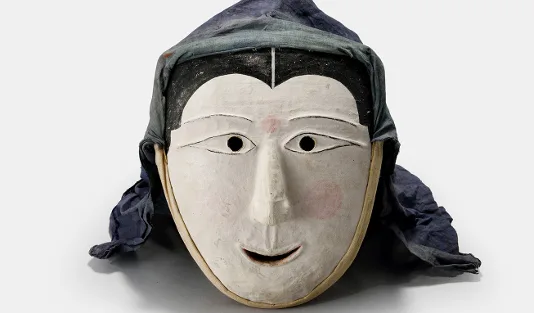
The collection comprises some 40,000 objects from regions ranging from Pakistan to Mongolia, including mainland Southeast Asia. Large holdings come from China and India, Japan, Korea, the Tibetan Buddhist region, Pakistan and Myanmar.
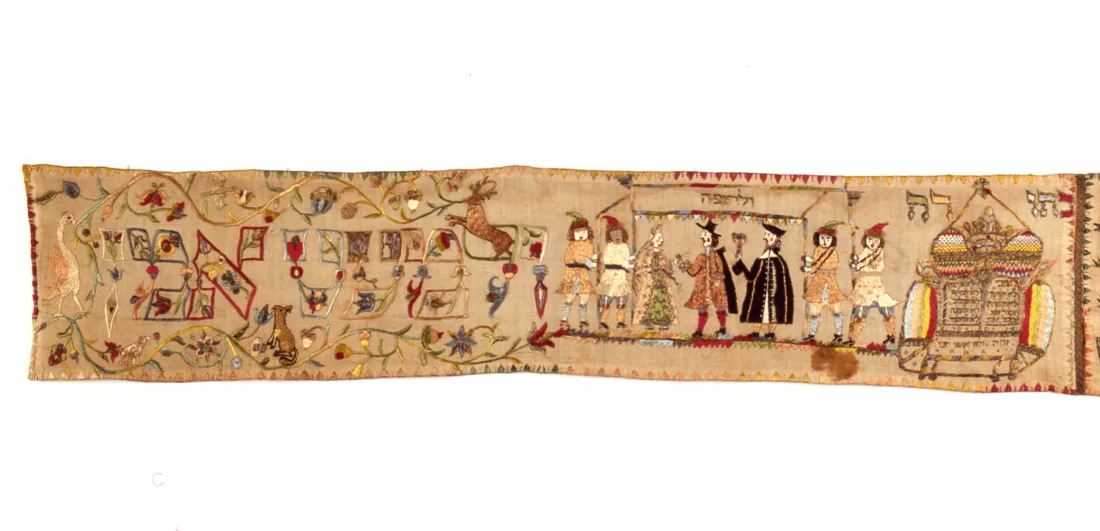
The Museum am Rothenbaum is one of the few ethnographic museums in Germany with a European collection. It comprises Western and Eastern Europe as well as the North Asian region and is delimited in the south by the Caucasus.
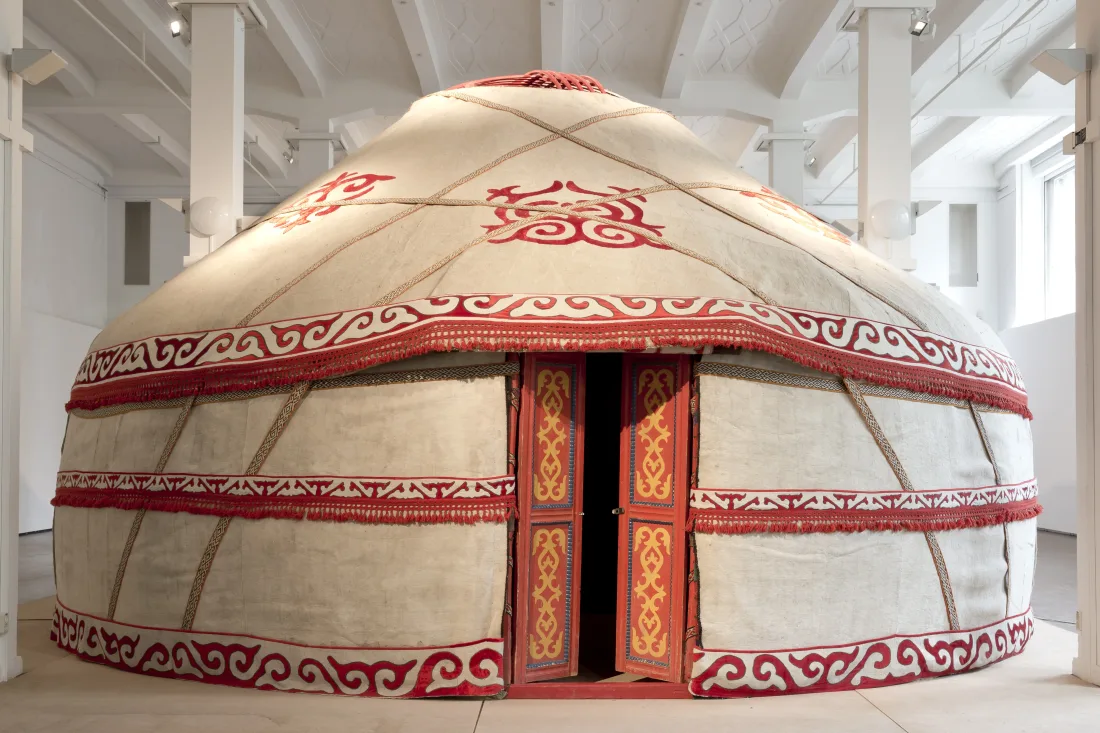
This collection comprises holdings of Islamic societies in North Africa, the Middle East and Central Asia. Apart from some archaeological subsections, the collections mainly date from the 19th and 20th centuries and mainly comprise objects of traditional and modern everyday culture from urban, rural and nomadic...
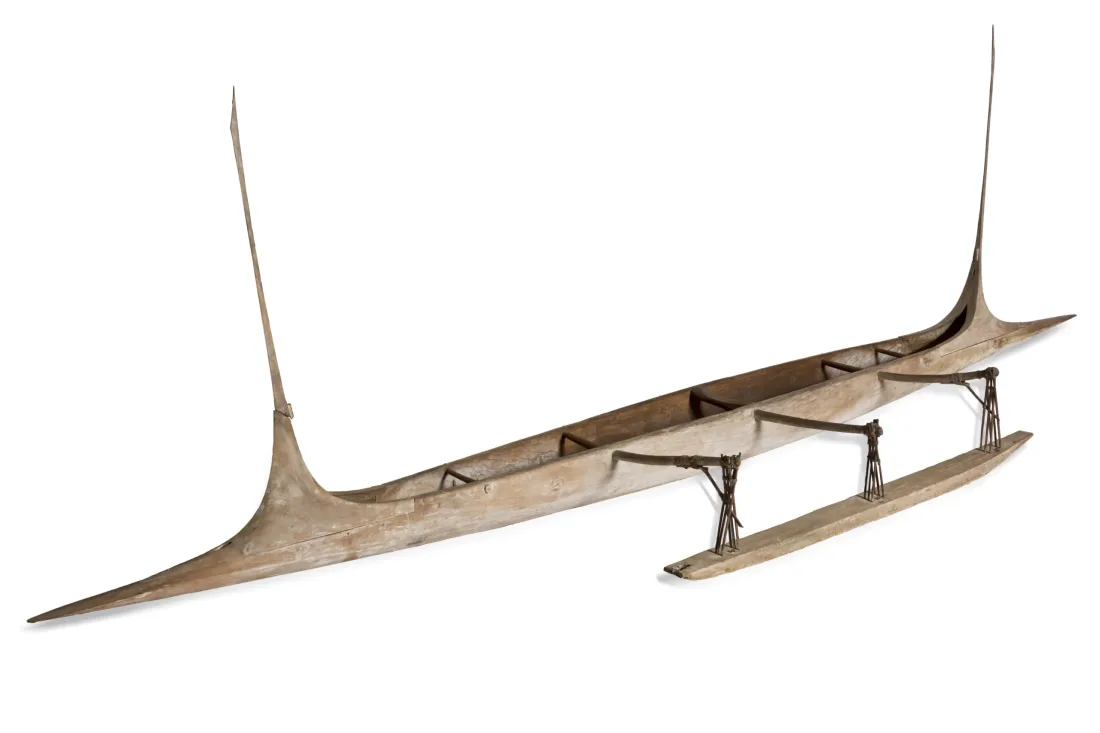
The department’s collections comprise objects from the Pacific island states of Melanesia, Polynesia and Micronesia. Australia and large parts of the Malay Archipelago are also integrated into the department for historical reasons. Most of the objects date back to the 19th century and the beginning of the 20th century.
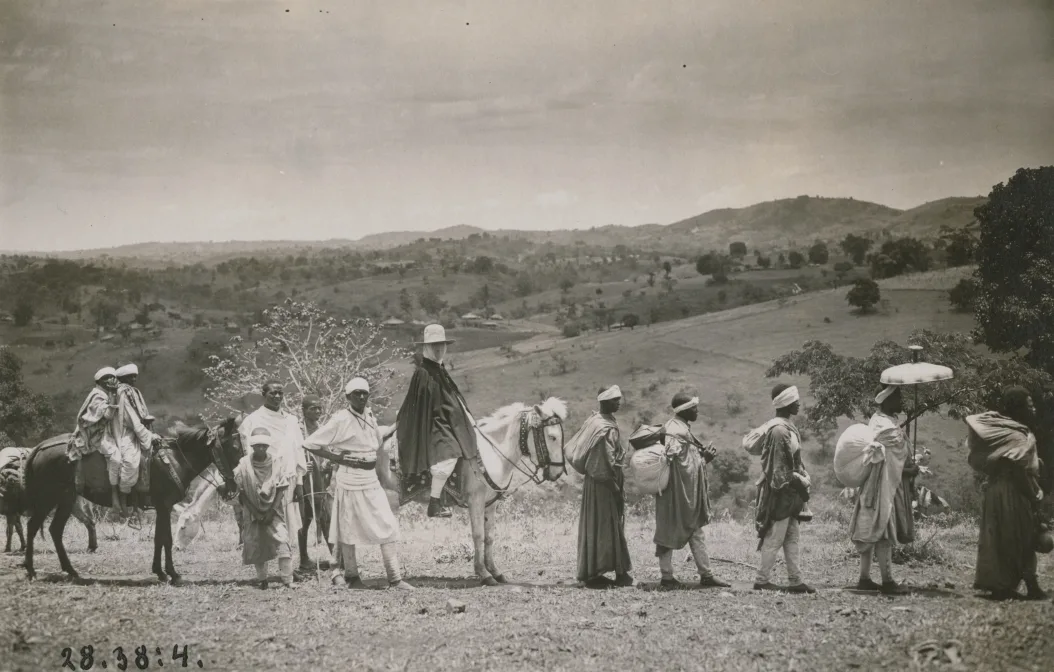
With a stock of almost 450,000 pictures, the Museum am Rothenbaum holds a unique photographic collection. The oldest photograph known to us was taken in 1858, only seven years after the first glass plate negative was made.
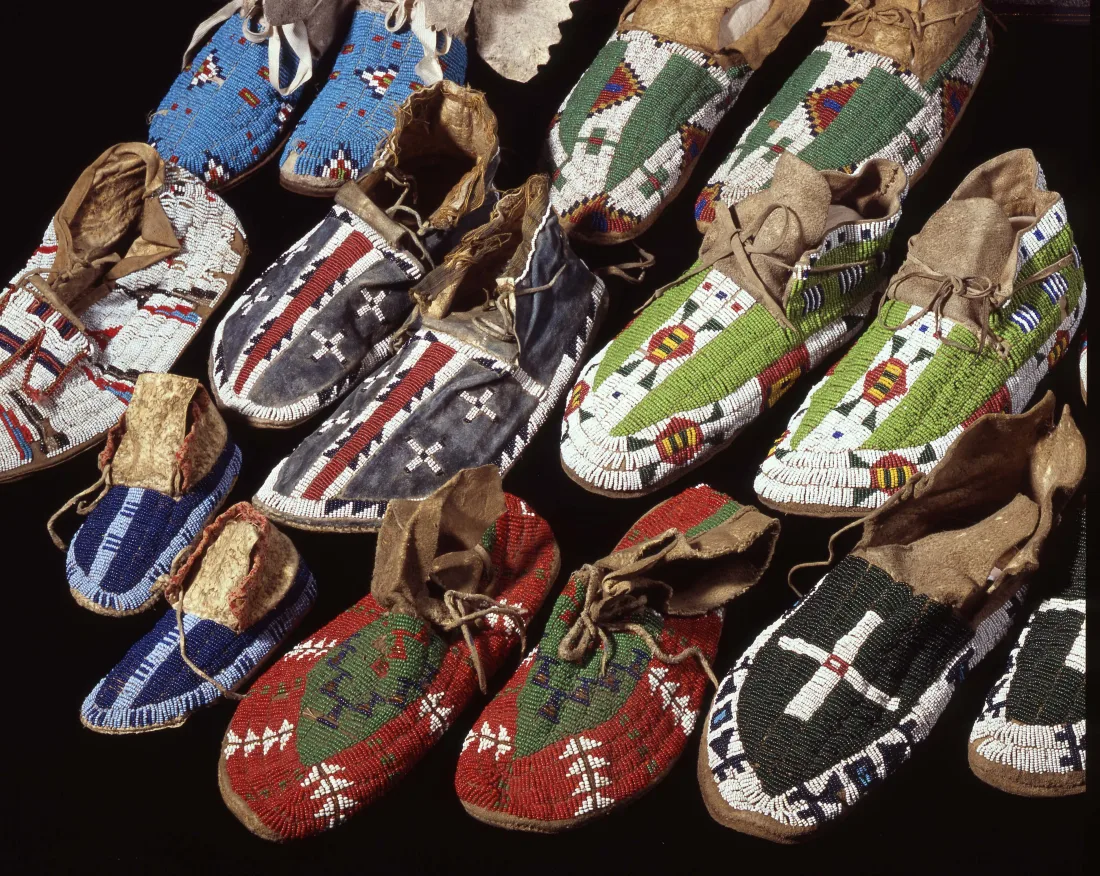
The American double continent from Alaska, Greenland to Tierra del Fuego is represented in many diverse forms in the archaeological and ethnographic collections from the 19th and 20th centuries. The emphasis is on ceremonial and everyday objects from the ancient American cultures of Central and South America.
You are currently viewing a placeholder content from X. To access the actual content, click the button below. Please note that doing so will share data with third-party providers.